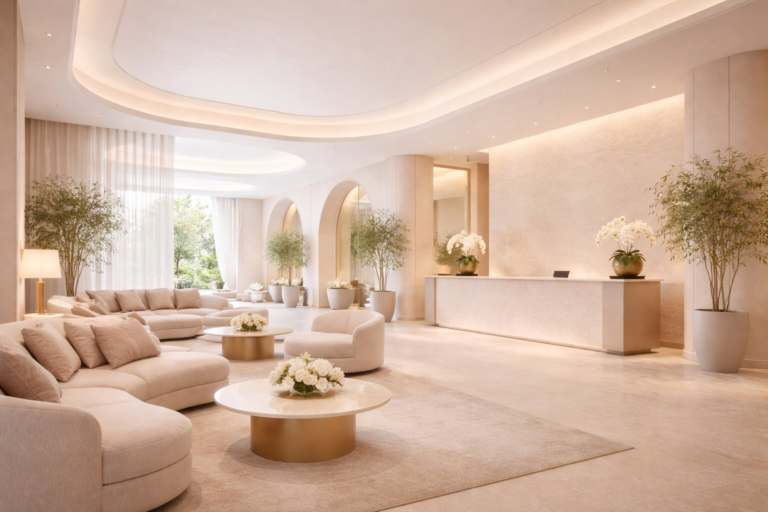
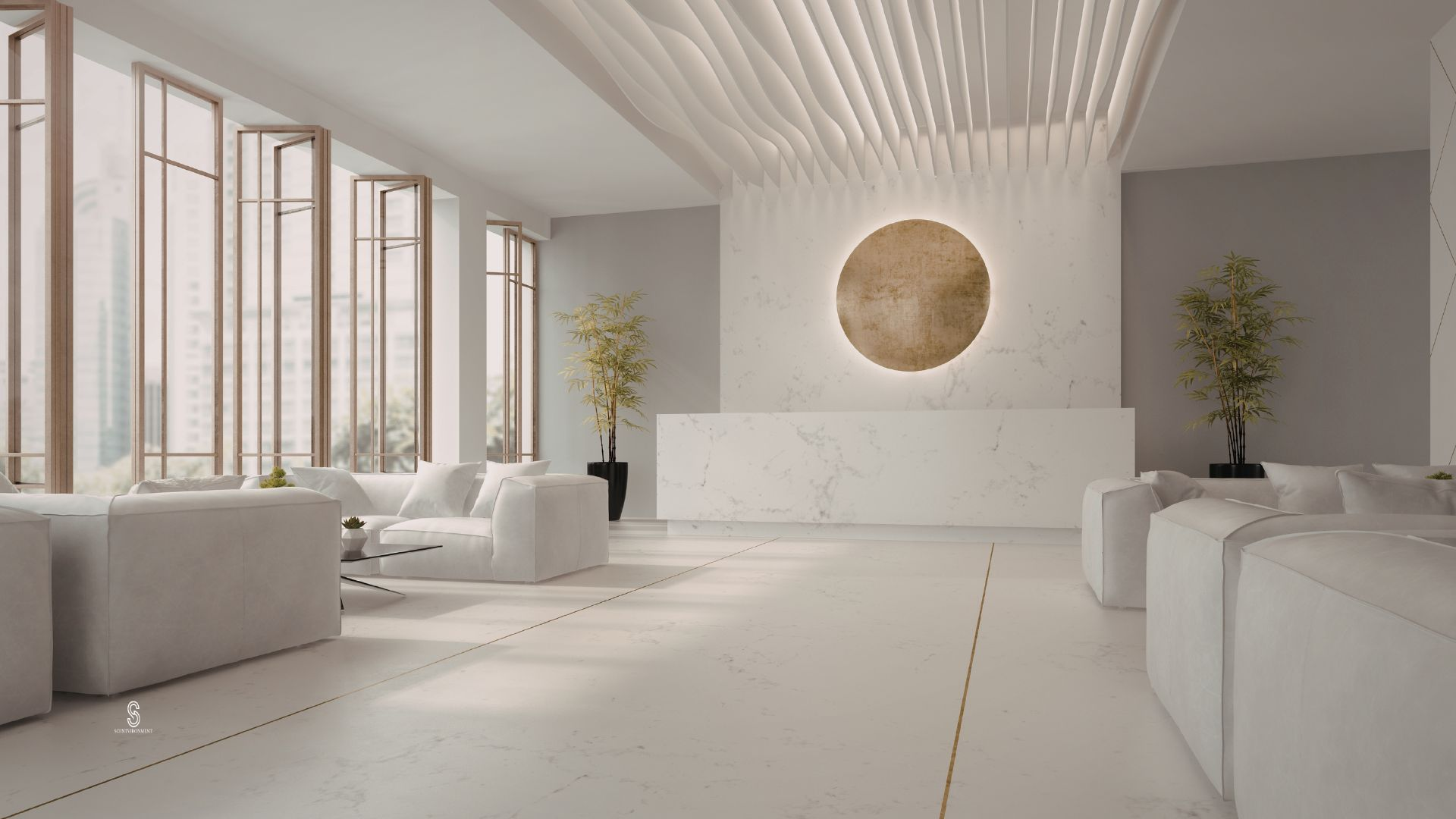
Scent Marketing Strategy Hospitality for Hotels & Senior Living
Environmental scent design has evolved from a decorative consideration into a controllable environmental variable that shapes how spaces are perceived and remembered. In luxury hotels and senior living environments, sensory conditions influence how guests, residents, and families evaluate quality, comfort, and trust.
For leadership teams responsible for operational performance, environmental control extends beyond lighting, temperature, and acoustics. Ambient scent also contributes to the overall sensory environment that people experience when they enter a space.
A well-structured scent marketing strategy hospitality leaders adopt aligns scent deployment with brand identity, operational consistency, and measurable outcomes. Without structure, scent becomes inconsistent. With disciplined implementation, it becomes part of the environmental framework shaping guest perception.
Luxury hospitality operators use scent strategically because hotel scent marketing benefits extend beyond aesthetics. When implemented correctly, scent strengthens brand memory, reinforces atmosphere, and supports guest experience outcomes.
Senior living and memory care environments rely on stable sensory conditions to support comfort, calm, and predictability. In these settings, environmental scent design hospitality teams deploy helps maintain consistency across large properties.
This guide explains how environmental scent design functions across both industries. It outlines how leadership teams evaluate scent systems, where they influence performance metrics, and how organizations deploy them responsibly across large physical environments.The goal is not novelty.
Rather, environmental precision that supports perception, experience stability, and measurable outcomes.
What Is Environmental Scent Design?
Environmental scent design refers to the intentional integration of ambient scent into a physical environment using calibrated dispersion systems that operate consistently across a facility.
Unlike traditional fragrance use or simple scent diffusers, environmental scent design hospitality programs are implemented through coordinated environmental planning.
The objective is to ensure that scent presence is subtle, controlled, and aligned with the identity of the space.
Four elements distinguish environmental scent design from casual scenting practices.
Defined environmental intent
Ambient scent is selected to support the emotional tone of the space.
In hospitality environments this may reinforce warmth or calm. In senior living environments it may support stability and reassurance.
Alignment with brand identity
Luxury hospitality brands increasingly use environmental scent as part of their hospitality sensory experience design.
When scent aligns with visual design, architecture, and service standards, it reinforces brand memory.
Controlled dispersion systems
Professional scent delivery systems ensure consistent distribution throughout a building.
These systems integrate with airflow patterns and maintain stable scent levels rather than overwhelming concentration.
Observable influence on perception
Scent contributes to how visitors interpret the environment. It can influence how clean, calm, or refined a space feels upon arrival.
When executed with discipline, environmental scent design becomes part of a broader hospitality sensory experience design strategy framework and a stabilizing element within senior living environments.
Learn how we create calm, welcoming environments designed with intention and discipline for long-term consistency.
Why a Scent Marketing Strategy Matters for Operators
Luxury hospitality and senior living share a common operational challenge: environmental perception strongly influences trust and satisfaction.
Guests arriving at a luxury hotel evaluate quality within seconds.
Families touring a senior living community are assessing safety, cleanliness, and comfort immediately upon entry.
If the sensory environment is inconsistent, perception declines regardless of service quality.
Common environmental challenges include:
- Competing odors in large buildings
- Neutral spaces that lack memorable identity
- Inconsistent sensory experience between areas
- Guest complaints related to environmental conditions
When organizations implement a structured scent marketing strategy hospitality teams manage, they introduce consistency into the sensory layer of the environment.
This consistency helps maintain a cohesive experience across arrival areas, lounges, shared spaces, and corridors.

What Are the Real Hotel Scent Marketing Benefits?
Performance Influence in Luxury Hospitality
Environmental consistency supports several measurable performance indicators:
- Higher guest satisfaction scores
- Stronger brand recall after departure
- Increased dwell time in public spaces
- Reduced negative reviews related to environmental conditions
Performance Influence in Senior Living Communities
In senior living environments, environmental stability supports perception of care and cleanliness.
Outcomes frequently include:
- Improved family satisfaction during tours
- Greater resident comfort in shared spaces
- Higher perceived quality of the community
- Reduced complaints related to odors or environmental conditions
Across both industries, environmental scent becomes a contributor to perception management. Leadership teams evaluating environmental scent systems typically examine outcomes influencing long-term performance.
Three hotel scent marketing benefits consistently emerge
Brand Differentiation and Memory Formation
Scent has a direct neurological connection to memory.
When guests encounter a consistent scent signature during their stay, it becomes associated with the brand experience.
Over time this association supports brand recall.
Relevant performance indicators include:
- Guest recall of property identity
- Loyalty program retention
- Repeat visitation
A consistent environmental scent profile helps maintain identity across multiple locations.
Guest Experience Consistency Across Large Properties
Large hospitality properties contain multiple experiential zones.
Guests move through arrival areas, lounges, restaurants, wellness facilities, and corridors.
Without sensory continuity, the brand experience can feel fragmented.
Environmental scent systems help maintain continuity, reinforcing a cohesive atmosphere.
Environmental scent systems help maintain continuity, reinforcing a cohesive atmosphere.
Performance indicators influenced by sensory consistency include:
- Net Promoter Score (NPS)
- Guest satisfaction ratings
- Reduction in environment-related complaints
Consistency is especially important for luxury brands where expectations of refinement and cohesion are high.
Perceived Cleanliness and Environmental Quality
Scent influences how visitors interpret sanitation standards.
A well-managed environment communicates attentiveness and operational care.
In senior living communities this becomes even more important because families often associate environmental conditions with the level of care their loved one will receive.
Benefits include:
- Stronger first impressions during tours
- Higher resident satisfaction ratings
- Fewer negative reviews referencing environmental conditions
Perception plays a critical role in trust formation.
How Scent Influences Affect Guest Experience in Hotels and Senior Living?
Guest experience is shaped by multiple environmental inputs, including lighting, acoustics, spatial design, and air quality.
Ambient scent contributes to this sensory environment by influencing emotional perception. Understanding how scent affects guest experience requires recognising that scent operates subconsciously. When scent aligns with the intended atmosphere, scent reinforces calm, comfort, and brand identity as medical research which delves into scent, emotion, and memory proves..
For example:
Arrival areas may emphasize calm sophistication.
Spa environments may reinforce relaxation.
Residential common areas may emphasize comfort and familiarity.
When scent intensity is carefully controlled, it operates quietly in the background.
If scent becomes overpowering or inconsistent, the effect reverses and can damage perception.
The objective is subtle environmental presence that supports emotional comfort without drawing attention to itself.
How Do Hotels Maintain Consistent Environmental Scent Across Large Properties?
Large hospitality and senior living properties present a logistical challenge: maintaining consistent environmental conditions across thousands of square feet.
Professional scent systems help maintain this consistency.
These systems distribute scent through calibrated dispersion methods that account for airflow dynamics and spatial layout.

Consistency is particularly important in environments with:
- Large lobby spaces
- Multi-floor buildings
- Open-air architectural designs
- Shared resident areas
Maintaining stable environmental conditions across these spaces helps ensure that guests and residents experience the same atmosphere throughout the property.
What is Optimal Placement for Environmental Scent in Hospitality Properties?
While scent can be introduced throughout a property, several areas typically produce the greatest perceptual impact.
Arrival and Lobby Spaces
The arrival experience shapes the initial perception of quality.
A subtle scent presence in this area reinforces brand identity and establishes the emotional tone of the property.
Spa and Wellness Areas
Spa environments rely heavily on atmosphere.
Consistent scent presence supports relaxation and reinforces the wellness positioning.
Guest Corridors and Transitional Areas
These areas often lack visual identity.
Ambient scent helps maintain continuity as guests move through the property.
Restaurants and Lounges
In hospitality environments where food service is present, scent systems must be carefully calibrated to complement, and not compete with, culinary aromas.
Strategic placement ensures that environmental scent supports the atmosphere without competing with food experiences.
What Should Senior Living Operators Consider When Implementing Environmental Scent?
Senior living environments require a more conservative approach to sensory design.
Residents may be more sensitive to environmental changes, and predictability is important for comfort.
Environmental scent can support:
- Stability within shared living areas
- Reduction of competing odors
- Reinforcement of calm environmental tone
In these settings, subtlety is essential.
The goal is not noticeable fragrance, but a clean, balanced atmosphere.
Families touring a community often evaluate the environment immediately upon arrival. Consistency across entry areas, dining rooms, and residential spaces contributes to their perception of quality.
Why Environmental Scent Design Matters in Memory Care
Memory care environments require particularly careful environmental management.
Residents living with cognitive impairment can become sensitive to sensory fluctuations.
Environmental scent, when applied responsibly, may help stabilize sensory conditions by minimizing competing odors and maintaining environmental continuity.
In these settings, scent should be:
- Extremely subtle
- Consistent across shared spaces
- Free from sudden changes
Stable sensory environments can support comfort for residents while improving the experience for visiting family members.
How Do Hospitality Brands Scale Environmental Scent Across Multiple Properties?
Large hospitality groups and senior living operators often manage multiple locations.
Maintaining brand consistency across these locations requires centralized environmental standards.
Organizations that scale environmental scent programs typically follow a structured rollout process.
Step 1: Brand Definition
Corporate leadership defines the environmental scent profile that represents the brand.
Step 2: Pilot Implementation
The scent program is introduced within flagship locations.
Step 3: Performance Monitoring
Leadership evaluates guest feedback and operational metrics.
Step 4: Portfolio Expansion
Once performance indicators are validated, scent systems expand across additional properties.
This structured process ensures consistency while minimizing operational disruption.
Operational Impact Summary
Operational Area | Environmental Intervention | KPI Influence | Implementation Complexity |
|---|---|---|---|
Lobby Experience | Integrated scent diffusion | Higher guest satisfaction | Medium |
Spa & Wellness Areas | Consistent ambient scent | Increased dwell time | Low |
Senior Living Tours | Neutral scent layer | Improved tour perception | Low |
Memory Care Commons | Stable sensory conditions | Resident comfort improvement | Medium |
| Complaint Reduction | Controlled scent calibration | Fewer odor complaints | Low |
Conclusion: Why Environmental Scent Matters for Hotels & Senior Living
Environmental scent design has become a meaningful component of environmental management in hospitality and senior living environments.
When deployed responsibly, it supports brand identity, reinforces sensory consistency, and contributes to perception of quality.
Luxury hospitality brands benefit from enhanced brand recall and experiential cohesion. Senior living communities benefit from environmental stability and improved first impressions among families evaluating care options.
The most successful programs treat scent as part of the broader environmental infrastructure rather than a decorative addition.
Leadership teams that approach environmental conditions with discipline create spaces that feel consistent, calm, and professionally managed.
Environmental control ultimately influences perception.
And perception influences trust.
Frequently Asked Questions
What is a scent marketing strategy in hospitality?
A scent marketing strategy in hospitality refers to the structured use of ambient scent within hotel environments to reinforce brand identity and support guest experience consistency.
What are the main hotel scent marketing benefits?
Hotel scent marketing benefits include stronger brand recall, improved guest satisfaction scores, enhanced emotional connection with guests, and fewer complaints related to environmental conditions.
How does environmental scent design influence guest perception?
Environmental scent design contributes to how guests interpret cleanliness, comfort, and quality when entering a space. Consistent scent presence reinforces the overall sensory identity of the property.
How does scent affect guest experience in hotels?
Scent influences emotional perception and memory formation. When aligned with the environment, it can reinforce calm, comfort, and brand identity.
Is environmental scent safe for senior living communities?
Yes, when carefully calibrated and compliant with safety standards. In senior living environments, scent should remain subtle and consistent to maintain resident comfort.
How is performance impact evaluated for environmental scent systems?
Organizations typically evaluate performance through guest satisfaction scores, complaint reduction, review sentiment, repeat visitation rates, and tour-to-move-in conversion metrics in senior living communities.
Plan your scent strategy.
Tell us about your property. We’ll follow up with next steps.